
Living in the Gray
| July 15, 2025Drop the binary thinking with tools to stay in the gray
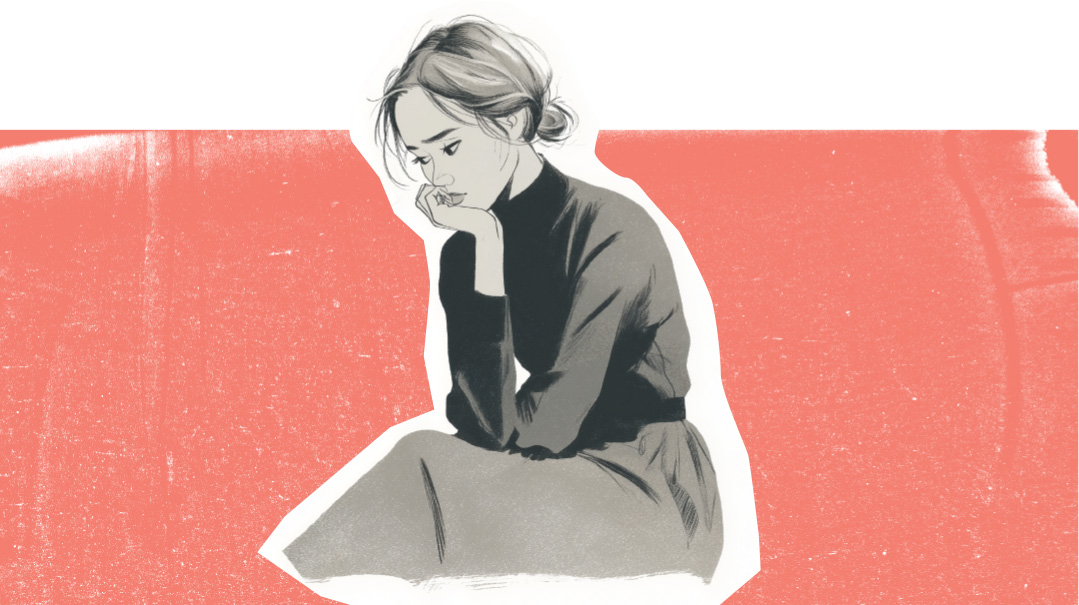

Make peace with imperfect progress
Shoshana Schwartz
AH,
to be a child. When we’re young, the world feels simpler.
And in many ways, it is.
Our early thinking is generally black-and-white: something is good or bad, right or wrong, safe or dangerous, milchig or fleishig. You can be “the best Mommy ever” as you dole out ice cream, only to morph into “the worst Mommy ever” when you don’t allow bonfires in the den. There’s little room for complexity.
This binary thinking is both useful and protective. It helps kids make sense of a confusing world and makes them feel secure when they’re too young to hold opposing truths at once.
As we grow, we develop the ability to see nuance. We begin to understand that someone can love us and still disappoint us. A friend can forget your birthday and still care deeply about you. An apology can be clumsy and still be sincere. This ability to see in shades of gray is a sign of emotional maturity.
But sometimes that transition doesn’t fully happen. If your early environment felt inconsistent, overwhelming, or unsafe, you may not have developed the tools to move beyond black-and-white thinking. And so as an adult, you may still view the world through that same rigid lens.
Because we live in a (purposefully) imperfect world, binary thinking is bound to make us unhappy. Since no experience is entirely good or bad, anything short of wow can feel negative. Even imperfect progress can feel like a letdown. Life can start to feel like there are mostly chutes and hardly any ladders.
This mindset can affect us in different areas of life:
Physically
“Healthy eating doesn’t work — I only lost five pounds,” or “Exercise isn’t helping — I still feel tired sometimes.” But five pounds did come off, and maybe your energy levels are more stable or your clothes fit differently. Perhaps you reached the second floor without wondering if you should relocate your bedroom downstairs.
Emotionally
“I’m still anxious, so nothing’s improved.” But perhaps you can go to the pool or beach now, even if you still can’t enter the water. Maybe you bounce back more quickly from small frights.
Mentally or Spiritually
“I never remember anything I read or learn.” It’s possible you feel disconnected spiritually because you don’t always feel inspired or focused. But maybe you find that you do hold on to a phrase, an image, or a lingering question. Perhaps you put your phone away ten minutes earlier at night, just to create space for being present. Maybe you paused before speaking sharply or did one quiet chesed.
What can you do if you recognize yourself here?
Just notice. Catch those all-or-nothing thoughts when they arise. Are you telling yourself something is a total failure when it’s really just imperfect?
Ask different questions. Instead of, “Is this working or not?” try, “What parts of this are helping me?” or “What small improvement have I seen?”
Practice naming multiple truths. “This is still hard, and I’m handling it better than I used to.” Progress and discomfort often travel together.
Talk to someone. Sometimes just hearing a more balanced perspective can help loosen the grip of black-and-white thinking.
You don’t have to love the gray. But as you learn to lean into it, you may find more softness, more comfort, and more ease.
Shoshana Schwartz specializes in overcoming compulsive behaviors, including emotional eating, codependency, and addiction. She is the founder of The Satisfied Self.
Growth Opportunity
Dr. Jennie Berkovich
S
tomachaches in children are usually caused by a virus or constipation. But sometimes, it can signal something more serious. One condition that many parents don’t expect in young children is inflammatory bowel disease (IBD), which includes Crohn’s disease and ulcerative colitis (UC). “Very early onset IBD,” which starts before age six, is rare, and can often be missed or mistaken for more typical childhood issues.
In toddlers and school-aged children, the first signs of IBD are often subtle. A child might complain of stomach aches, have ongoing diarrhea, frequent or urgent bowel movements, or you may notice blood in their stool. These symptoms can come and go, which makes it easy to chalk them up to something minor. Some kids lose interest in eating, seem unusually tired, or just aren’t growing or gaining weight like they used to.
A frequent early red flag I’ve seen in children diagnosed with Crohn’s or UC is poor growth. In fact, I’ve seen poor growth as the ONLY sign of IBD (no tummy aches or changes in stool) noticed on a routine well visit. Less common but important symptoms include rashes, fatigue, and mouth sores.
IBD isn’t caused by diet, hygiene, or stress. It’s a complex condition involving genetics, the immune system, and environmental triggers.
Getting the right diagnosis often requires blood tests, stool studies, and sometimes imaging and/or procedures that allow direct visualization of the digestive tract. Yes, babies can get colonoscopies, too! In many places there are pediatric GIs who specialize in IBD.
Treatment for IBD depends on the symptoms and their severity, but it may include medications. Some kids also benefit from dietary changes, nutritional support, or a combination of treatments. There are new treatments being researched to support patients with IBD so they can go on to live full, productive lives.
Dr. Jennie Berkovich is a board-certified pediatrician in Chicago and serves as the Director of Education for the Jewish Orthodox Women’s Medical Association. (JOWMA)
Leg Cramps
Tsippy Kraus
L
eg cramps are a common and often painful complaint during pregnancy. They frequently occur at night, suddenly waking a woman and forcing her to jump up, stretch her leg, or massage her foot. Sometimes, the discomfort can linger, leaving sore shins the next day.
These cramps are often linked to dehydration and low levels of magnesium and potassium. Staying well hydrated and taking supplements if needed can help alleviate symptoms. A warm bath before bed with magnesium flakes is another soothing option. For a natural potassium boost, try eating a banana in the evening, it’s chock-full of potassium.
If leg cramps persist or worsen, always consult your healthcare provider for further guidance.
Tsippy Kraus is a childbirth educator and birth trauma release practitioner. She also founded Birth Journeys Online, a pre-recorded online childbirth education course for Jewish couples.
(Originally featured in Family First, Issue 952)
Oops! We could not locate your form.
RELATED CONTENT

Just as you can’t build a home without a foundation, your relationship with hunger and fullness also requires a solid base

Lately I’ve been hearing versions of the same question: Do I really need folic acid? Isn’t it synthetic? What about methylfolate?

It’s a beautiful and necessary reminder that birth isn’t the finish line, it’s a transition

“I have all these plans, but I don’t know where to start — so nothing ever gets done!”

Adults may have different opinions about what’s right — even if we’re very, very sure of ourselves

Become a curious investigator. Ask your child specific, open-ended questions
