
Under Pressure
| February 10, 2015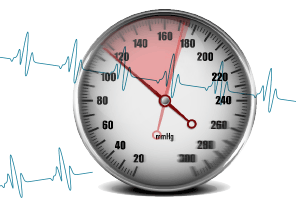 I blame it on my health fund. All I wanted was a flu shot. But the nurse on duty insisted on first checking my blood pressure. “It’s routine ” she assured me. Indeed it was. After checking my blood pressure twice she went back to her computer to check my medical records and then in typical Israeli fashion started to yell at me. Didn’t I know I had high blood pressure? Didn’t my doctor know? Why wasn’t I doing anything about it? Did I want to have a stroke chas v’shalom? Or a heart attack? After we had both calmed down I got my flu shot — and a prescription to purchase a blood pressure monitoring machine so I could check my blood pressure levels at home. When I got home though my first stop was my computer. Was my blood pressure really that bad? And if so why didn’t I know it? Meet Your Blood Pressure Contrary to what many think “blood pressure” isn’t a sign of bad health. It’s a natural process of the body. Each heartbeat pumps blood through your body bringing energy and oxygen to your body’s muscles. A heartbeat is a two-pronged activity. First the heart squeezes and pushes the blood through your arteries; this forces your blood pressure to go up. Then the heart relaxes and your blood pressure goes down. A reading of your blood pressure is therefore comprised of two numbers. The first number known as the systolic blood pressure level is the highest level your blood pressure reaches when your heart is squeezing. The second one your diastolic level is your blood pressure’s lowest level when the heart is relaxing. A “normal” or “optimal” reading is 120/80mmHg or less.
To read the rest of this story please buy this issue of Mishpacha or sign up for a weekly subscription
Oops! We could not locate your form.
