Running for Cover
| August 21, 2013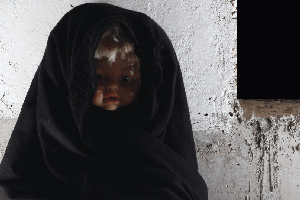 If you haven’t actually seen the women on the streets of Jerusalemor Beit Shemesh covered from head to toe with a blanket-like cloak for the sake of tzniyus you’ve surely heard about this “cult” and its accompanying fanatical behaviors. You’ve undoubtedly learned that these “burka ladies” — who wear several layers of clothing topped with total body and face coverings resembling the burka garment worn by many Muslim women in the Middle East Afghanistan and North Africa — have gone off the deep end regarding modesty issues. You’ve read that they don’t allow their husbands in the house at night until their daughters are sleeping that they don’t bathe more than once a week they don’t nurse their babies they don’t seek medical attention or go to hospitals even if their or their children’s lives are in danger they force their young daughters to dress like them and they permit polygamous marriages and incorporate a list of other deviant practices in blatant contravention of halachah and traditional Jewish practice.
What then has drawn hundreds of women in what the Israeli media call the “Shal cult” (“shal” is the Yerushalmi-Yiddish term for the shawl wrap women traditionally wore until the turn of the last century which has made a big-time comeback) — whose black cloaks seem to be popping up like mushrooms over the Jerusalem landscape — to embark on this extreme journey of super-modesty? Speak to a random sampling of them (the layers of coverings make them look intimidating and unapproachable to the outsider but underneath they’re pretty much regular women) and they’ll tell you three things: they don’t belong to a “cult”; they are being unfairly libeled and persecuted by a close-minded public and a gossip-hungry media who have latched onto their “otherness” as an excuse for sensationalized reporting; and barring some extreme deviations by unstable individuals most of the accusations against them as a group are unfounded. They will also tell you that they have reclaimed the modesty standards of past generations that fell away with the impurity of modern society standards that will G-d willing help push forward the final Redemption — pointing to pictures of Jerusalemites of the last century and of their own ancestors and invoking Talmudic and halachic dictums regarding the ideal standards of tzniyus.
They discount the well-publicized proclamation of the Eidah HaChareidis which condemns “a group of women who have uprooted daas Torah … who don’t send their children to proper schools who don’t give them medical treatment even if their lives are in danger and who have instituted unmentionable practices regarding marriages etc.…” The Badatz convened and issued this public condemnation because of accumulated reports involving cases of perverted behavior among adherents of the “cult.” Yet a closer reading of the text does not refer to their controversial mode of dress per se although privately these rabbanim have had to mediate situations where wives have insisted on taking on extreme modesty stringencies against the wishes and to the embarrassment of their husbands.
In fact these women point to another proclamation from 2001 — signed by Rav Yisrael Yaakov Fisher Rav Moshe Halberstam Rav Meir Bransdorfer and others praising the resurrection of the shal an additional wrap over clothing that hides a woman’s form. These three great poskim of Yerushalayim are no longer alive today. Yet what would they have said about the more conspicuous mysterious-looking head-to-toe slit-eye “burka”?
That’s not the only question the additional layers inspire. Does this movement have rabbinic oversight or are the new customs self-interpreted? Is the “cover-up” a sign of authentic modesty or a rejection of rabbinic consensus? Can conspicuousness and modesty live in harmony? And does such an external hiddur pose a threat of self-delusion?
To read the rest of this story please buy this issue of Mishpacha or sign up for a weekly subscription.
Oops! We could not locate your form.
