



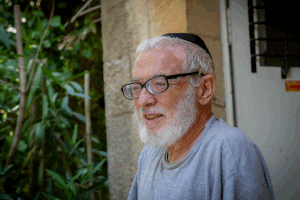


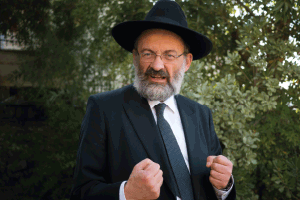
Rav Reuven Leuchter shares a way of conceptualizing teshuvah and applying it to our daily lives

“I’m the lawyer, the agent, serving as an advocate between you and your Father in Heaven,” Rav Dovid Chaim Stern tells those who seek his counsel. The work he demands isn’t easy, but Rav Stern, the mekubal of Bnei Brak, is ready to pour out his tefillos and bestow his brachos in exchange for spiritual “deals” he makes with his chassidim around the world.

Hear the term “domestic violence” and you immediately conjure up an image of a terrified woman cowering in fear. But in reality, men are the victims as often as they’re the perpetrators. They’re just too ashamed to admit it.

When Sender Kaszirer was looking for a position in chinuch, he made a quick calculation: He would go where he was needed, not where others expected him to go. But Lakewood wasn’t ready for a high school with no dress code, where talmidim wear colored shirts or jeans, so he established the mesivta in nearby Eatontown, with an approach tailor-made to the individual student regardless of history or past struggles. “Somehow, as parents we give children the benefit of the doubt. And as mechanchim, we have the same responsibility”
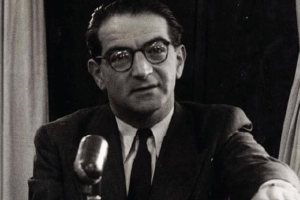
Back in Israel of the 1950s — when Rudolph Kasztner took the witness stand to defend himself against allegations of collusion with Adolf Eichmann in facilitating the mass murder of Hungary’s Jews — the heroes, the villains, and collaborators all seemed so obvious. But 70 years after his rescue transport pulled out of Budapest carrying 1,684 Jews to freedom, the only thing that’s obvious is that — whoever he was or wasn’t — what once seemed so black and white has with time morphed into many shades of gray.

Moshe Binik is the kind of shrewd businessman who is able to bring in money, yes. And then he turns around and joyfully gives it away,
