A Crowbar
| May 30, 2012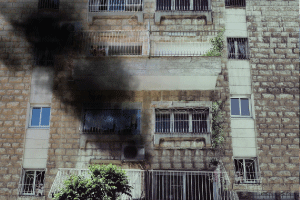 Streets once boasting neatly tended gardens and leisurely dog-walkers now bustle with yungeleit pushing strollers and the local makolet now carries Paskesz. But the buildings haven’t changed. Walking down Rechov Yam Suf I am flooded with memories of my own years living in the north Jerusalem neighborhood of Ramat Eshkol when the neighborhood had seldom seen a succah never mind an American and chareidim lived anywhere but here. I remember well the morning our warm wonderful downstairs neighbors came banging at my door.
“There was a chareidi couple here looking into buying an apartment!” Erez growled shaking an angry finger at me. “Don’t tell them a single nice thing about this building! We don’t want them here.” My shocked protests only stoked his voice shriller. “Chareidim — they move in and tell you what to do how to live your life. We don’t want them here!”
Ocean of Mistrust
Erez is long gone from Ramat Eshkol like many other families who have moved from the neighborhood as the chareidim — mostly American kollel families — have moved in. But in those plaintive sighs over the state of the neighborhood and the terrible threat of a “chareidi takeover” there rings a small warbling note of something longing and unsure. Are those chareidim truly the monstrosity the media has led the natives to believe? Or could it be that despite the baby carriages and the succah-building the wave of new neighbors actually offers something badly needed in this once-spiritually desolate corner of Yerushalayim? The frowning wary not-yet-religious. The slightly dazed starry-eyed newcomers. The chasm between them is as immense as an ocean of mistrust and the bridge that spans it is as infinite as a Jewish heart. Just ask the neighbors of 12 Yam Suf. They’ll tell you all about it.
To read the rest of this story please buy this issue of Mishpacha or sign up for a weekly subscription.
Oops! We could not locate your form.
