
Melatonin: Miracle or Madness?
| March 18, 2015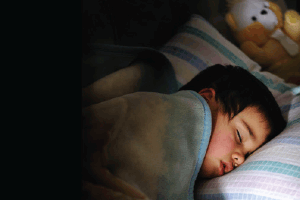 Nine-year-old Shauli was having trouble concentrating in school and his principal was pushing for Ritalin. “I can’t fall asleep and then I don’t feel relaxed in school ” a distressed Shauli explained to his mother Rivky. “The next night I start worrying about having another bad day so that makes it even harder to fall asleep!” The vicious cycle of sleep deprivation and anxiety was exacting a heavy toll on Shauli’s academic and social success. Unwilling to resort to Ritalin straightaway Rivky and her husband decided to give Shauli melatonin. “It was amazing ” she testifies. “The school staff called me a week later wanting to know what I’d done. ‘He’s a new kid ’ they said.” Rivky is one of millions of parents worldwide who have found relief in the “darkness hormone.” Naturally produced in the brain upon exposure to darkness melatonin signals the body to ready for sleep lowering blood temperature and inducing a drowsy stupor. When children struggle to drift off parents are increasingly turning to synthetic melatonin supplements believed to offer the necessary boost to dreamland. Numerous studies — most of them short-term and conducted on children with developmental disabilities like autism or cerebral palsy — have shown melatonin to be effective. But while anecdotal evidence is compelling — parents rave about the results — studies proving the efficacy of the neurohormone in typical children are spotty. What’s more since widespread melatonin use is relatively new (about 20 years old) the jury is still out on its long-term safety.
To read the rest of this story please buy this issue of Mishpacha or sign up for a weekly subscription
Oops! We could not locate your form.
