Holy Remains
| August 6, 2014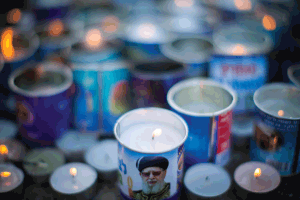 You can hear it before you see it. As Jews of all stripes stream to the anonymous side street by the little-known improvised Sheikh Badr cemetery next to the government complex in Jerusalem the buzz gets steadily louder. Pleas to save a sick child (“expenses exceed half a million dollars”) to help a disabled widow or assist a destitute family jumble together with solicitations for yeshivos and cries of others who have hit hard times. The few dozen meters leading to the kever of Rav Gedaliah Moshe the Zvehiller Rebbe who passed away in 1950 are dotted with colorful stalls hawking various and sundry wares for sale from seforim and Judaica items to oil paintings of Rav Ovadiah Yosef Rav Yitzchak Kadouri and Rav Mordechai Eliyahu. At the tziyun masses of people are davening fervently. The accepted ritual is that one should come to the site on Monday Thursday and Monday consecutively; recite a series of specific chapters of Tehillim together with the name of the tzaddik in Chapter 119; light a candle and give tzedakah for his soul. Then one uses his left hand to place a stone with on the grave specifies the request and adds a promise that if the prayers are answered he will visit the site again to express gratitude. How did this gravesite — although belonging to a revered tzaddik but relatively unknown until just six years ago — become a popular “yeshuos center ” even surpassing the gravesites of tzaddikim of centuries earlier?
 To read the rest of this story please buy this issue of Mishpacha or sign up for a weekly subscription
Oops! We could not locate your form.
