Diplomatic Missions
| October 16, 2013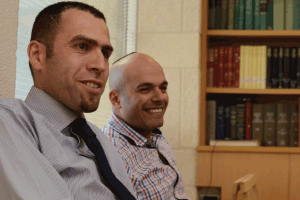 Being diplomatic isn’t always easy especially under pressure. But working as a diplomat involves much more than keeping one’s cool or being able to deliver a slick scripted statement to the press.
As it unfolds on global turf life in the diplomatic corps entails the excitement and rigors of world travel but it also demands a lifetime of adjustments to new countries faces languages and customs often while moving a young and growing family every couple of years.
Israelmaintains diplomatic relations with approximately 150 nations in the world. For Israeli diplomats an assignment to a coveted diplomatic posting overseas is the culmination of three to five years of postgraduate education and training. Only about one percent of the diplomats in training survive the grueling and competitive process.
The State Public Service Commission Tender for diplomatic posts in the Ministry of Foreign Affairs is the principal mechanism for recruiting diplomats into the Israeli foreign service.
All candidates must pass written examinations undergo a special assessment and be interviewed by a public committee. Target recruits are Israeli citizens who earned at least a BA in economicsMiddle Eaststudies international relations or public administration.
Candidates who pass the initial muster enter a five-year cadet course where they acquire knowledge in fields relevant to Israeli diplomacy while obtaining and polishing the skills of the trade including mastering foreign languages information technology and basic diplomatic and public communications skills.
They also receive on-the-job training in various departments of the foreign ministry before being assigned an entry-level position in one ofIsrael’s missions abroad.
Advanced training during the course of a diplomat’s professional career include economics management and multilateral diplomacy along with optional courses in art music religions and cultures. The Ministry of Foreign Affairs also dispatches diplomats for courses abroad offered by the United Nations and the European Union or by universities such as Harvard.
Diplomats additionally receive annual ongoing training from heads of missions and government ministers. While not every diplomat advances to the rank of ambassador which is more often than not a political appointment there are dozens of junior-ranking officials such as consuls who deal with citizens’ affairs and a variety of positions for press relations cultural attachés and political officers.
We recently participated in a roundtable discussion with four seasoned Israeli diplomats who now work in insider positions at the Ministry of Foreign Affairs after having been stationed overseas for several years — including a husband and wife team who met while taking the cadet course.
To read the rest of this story please buy this issue of Mishpacha or sign up for a weekly subscription.
Oops! We could not locate your form.
